
Case Study: Successful Snack Vending Solutions in Downtown Boston


Introduction to Snack Vending Solutions
In the bustling heart of Downtown Boston, snack vending machines have become a staple for busy professionals and residents alike. With the right strategy, these machines can provide convenience and generate significant revenue. This case study explores how one company successfully implemented a snack vending solution in the area.
The key to their success lies in understanding the local market, choosing strategic locations, and offering a variety of quality products. Let's delve into the strategies they employed and the outcomes they achieved.
Understanding the Local Market
Downtown Boston is a vibrant hub with a diverse demographic. The company first conducted comprehensive market research to understand the preferences and needs of local consumers. This involved surveys, focus groups, and analyzing purchasing patterns.
This research revealed that many people in the area were looking for quick, healthy snack options. With this insight, the company tailored its product offerings to include a mix of healthy snacks, traditional favorites, and premium products.

Strategic Location Selection
Location is crucial in the vending business. The company identified high-traffic areas such as office buildings, universities, and transportation hubs. They secured prime spots by partnering with property managers and offering attractive revenue-sharing agreements.
These strategic placements ensured high visibility and accessibility, leading to increased sales. It's important to consider foot traffic, customer demographics, and competition when selecting vending machine locations.

Diverse Product Offerings
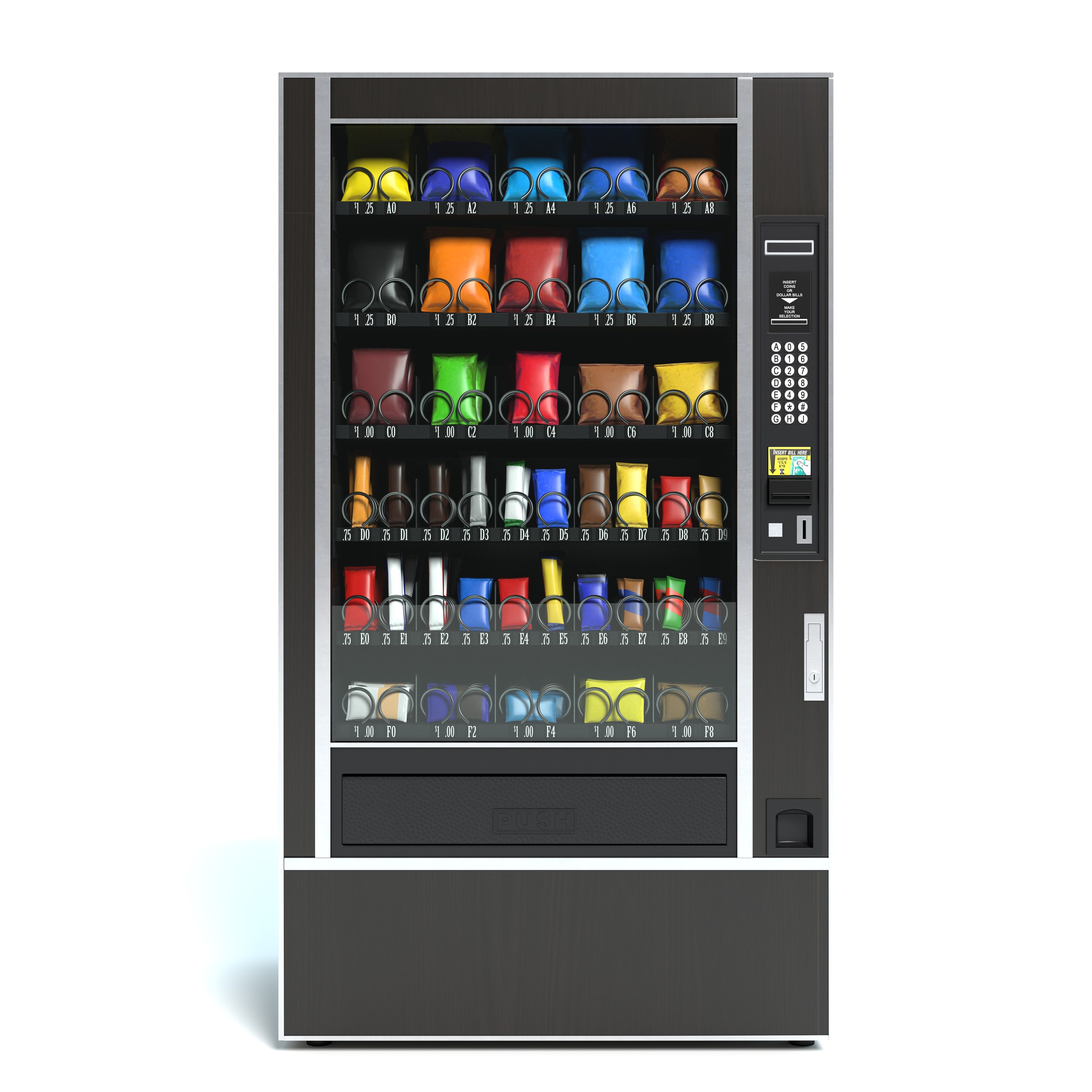
To cater to various tastes and dietary needs, the company curated a diverse range of products. This included gluten-free snacks, protein bars, organic options, and traditional favorites like chips and candy. Seasonal and limited-edition products were also rotated to keep the offerings fresh and exciting.
By providing a broad selection, the vending machines appealed to a wider audience, increasing consumer satisfaction and repeat business.
Leveraging Technology
Embracing technology played a significant role in the success of the vending solution. The company utilized smart vending machines that allowed cashless payments and offered real-time inventory tracking. This improved user experience and streamlined operations.
The smart technology also provided valuable data on purchasing trends, enabling the company to optimize its product offerings and restocking schedules efficiently.

Marketing and Promotion
To boost visibility and engagement, the company implemented targeted marketing strategies. They used social media campaigns, loyalty programs, and promotions to attract and retain customers. Collaborations with local events also helped increase brand awareness.
These marketing efforts not only drove traffic to the vending machines but also strengthened the brand's presence in the community.
Conclusion: A Model for Success
The successful snack vending solution in Downtown Boston serves as a model for other businesses looking to enter the market. By understanding the local market, choosing strategic locations, offering diverse products, leveraging technology, and implementing effective marketing, the company achieved remarkable results.
This case study highlights the critical elements of a successful vending operation and provides valuable insights for those considering a similar venture.